
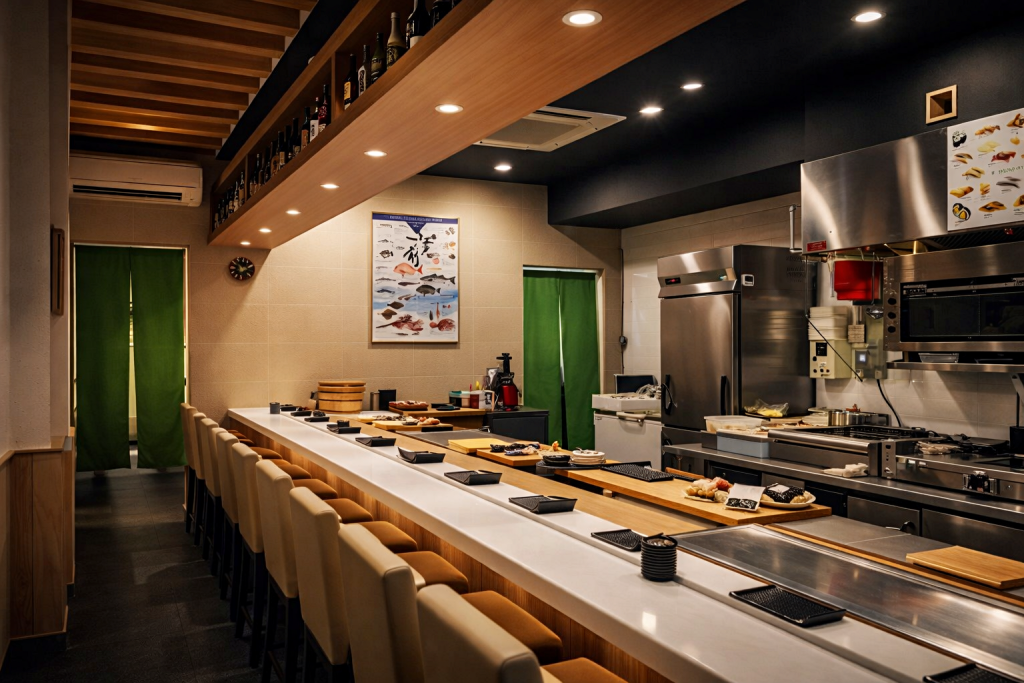
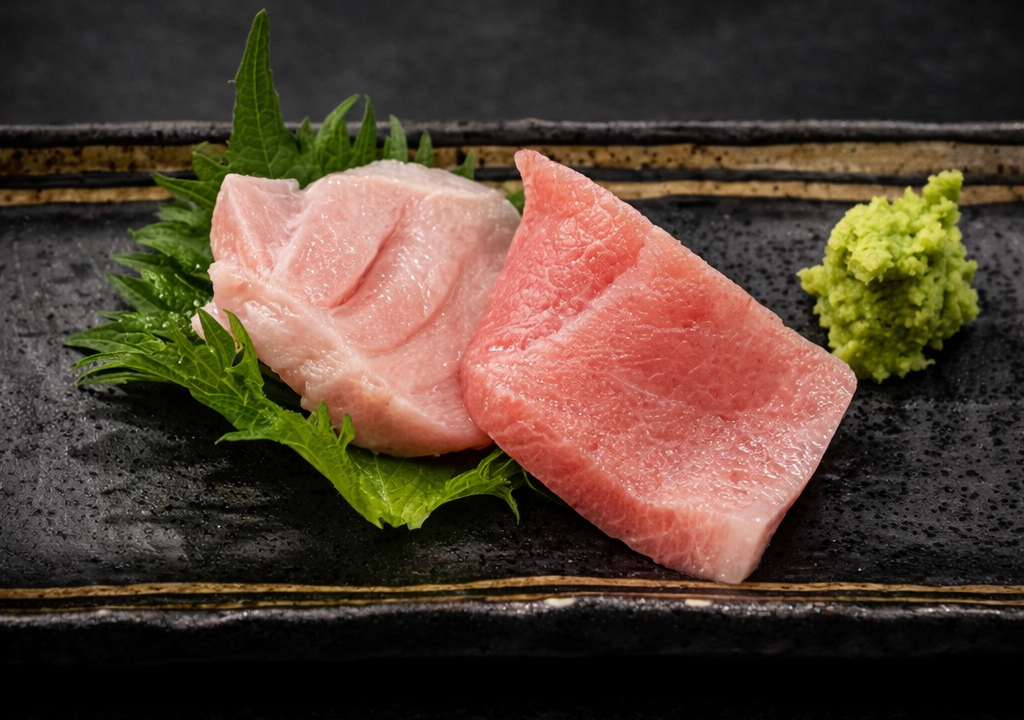
Sashimi is one of Japan’s most celebrated culinary traditions, admired for its simplicity, elegance, and emphasis on freshness. Unlike sushi, which combines vinegared rice with seafood, sashimi focuses solely on the quality of the fish itself. Every slice is carefully prepared to showcase the natural flavours, delicate textures, and pristine freshness of premium seafood.
Whether you’re new to Japanese cuisine or a seasoned sashimi enthusiast, understanding the different types of sashimi fish can elevate your dining experience. From buttery tuna to rich salmon and sweet scallops, each variety offers a unique taste profile that reflects the artistry of Japanese cuisine.
In this ultimate sashimi guide, we’ll explore the most popular fish served as sashimi, their flavour characteristics, nutritional benefits, and tips on enjoying sashimi like a true connoisseur.
What is Sashimi?
The word sashimi literally translates to “pierced body” in Japanese, referring to thinly sliced raw seafood served without rice. Traditionally, sashimi is accompanied by soy sauce, freshly grated wasabi, pickled ginger, shredded daikon radish, and decorative garnishes such as shiso leaves.
The key to exceptional sashimi lies in one essential factor: freshness. Only the highest-quality seafood is suitable for sashimi preparation, requiring careful sourcing, handling, and expert knife skills.
Why Freshness Matters
Unlike cooked dishes where heat enhances flavour, sashimi relies entirely on the seafood’s natural taste and texture.
Premium sashimi-grade seafood offers:
- Clean, ocean-fresh aroma
- Firm yet tender texture
- Vibrant natural colour
- Sweet and delicate flavour
- Rich umami without any fishy smell
Experienced Japanese chefs inspect every fish carefully before serving it raw.
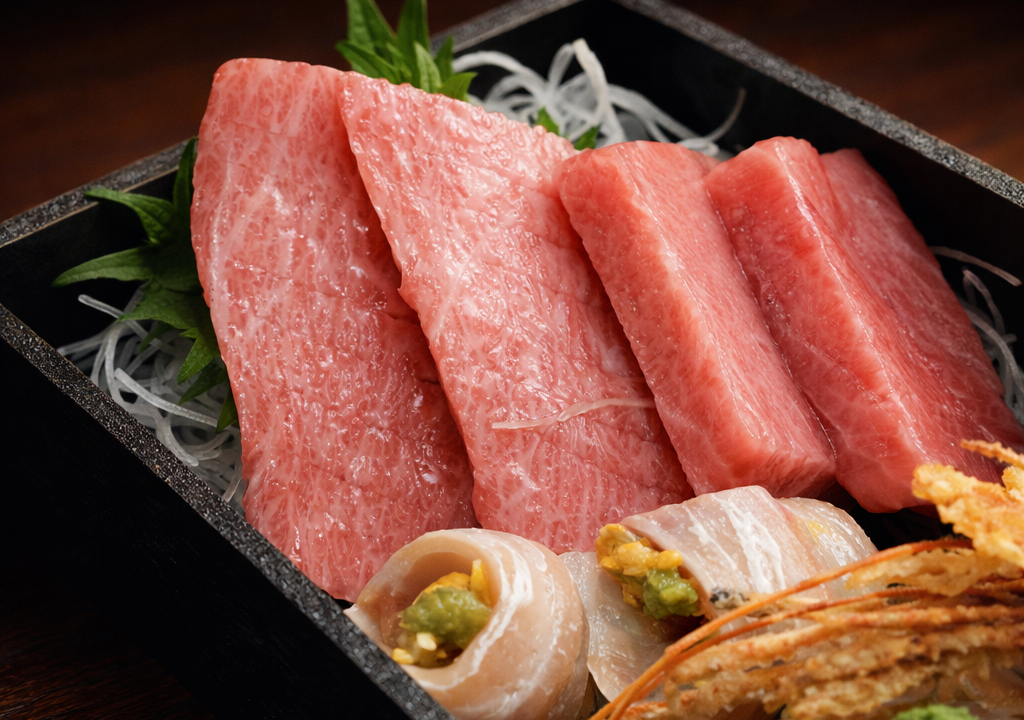
1. Maguro (Tuna)
One of the most iconic sashimi fish, tuna is loved around the world for its rich flavour and versatility.
Different Cuts of Tuna
Akami
Akami comes from the lean portion of the tuna.
Characteristics:
- Deep ruby-red colour
- Meaty texture
- Clean flavour
- High protein
- Lower fat content
Perfect for those who enjoy a lighter sashimi experience.
Chutoro
Chutoro is the medium-fatty section.
Features:
- Balanced richness
- Soft texture
- Mild buttery flavour
- Excellent marbling
Many sushi lovers consider chutoro the perfect balance between lean and fatty tuna.
Otoro
Otoro is the prized fatty belly.
Why people love it:
- Extremely buttery
- Melts in your mouth
- Rich umami
- Luxurious texture
Often considered one of the finest sashimi delicacies in Japanese cuisine.
2. Sake (Salmon)
Salmon has become one of the world’s favourite sashimi choices.
Its popularity comes from:
- Smooth texture
- Rich healthy fats
- Mild flavour
- Beautiful orange colour
- Beginner-friendly taste
The high omega-3 content also makes salmon a nutritious choice.
Salmon pairs exceptionally well with soy sauce, ponzu, or simply a touch of fresh wasabi.
3. Hamachi (Japanese Yellowtail)
Hamachi is prized for its buttery yet clean flavour.
Taste Profile:
- Rich but not overpowering
- Smooth texture
- Slight sweetness
- Delicate finish
As the fish matures into buri, its flavour becomes richer and more complex.
Hamachi is especially popular during winter when its fat content reaches its peak.
4. Hirame (Japanese Flounder)
Hirame represents the refined side of sashimi.
Characteristics include:
- Mild sweetness
- Delicate white flesh
- Light texture
- Elegant presentation
Because of its subtle flavour, chefs often serve hirame with ponzu sauce or a small amount of sea salt instead of soy sauce.
5. Tai (Sea Bream)
Sea bream symbolises celebration and good fortune in Japanese culture.
Its sashimi offers:
- Clean taste
- Slight sweetness
- Firm texture
- Beautiful translucent appearance
Tai is often served during festive occasions and special celebrations.
6. Hotate (Scallop)
Although technically not a fish, scallops are among the most popular sashimi selections.
Why diners love hotate:
- Natural sweetness
- Silky texture
- Soft bite
- Creamy finish
Fresh Hokkaido scallops are considered among the world’s finest.
7. Ama Ebi (Sweet Shrimp)
Ama ebi literally means “sweet shrimp.”
Fresh ama ebi features:
- Delicate sweetness
- Creamy texture
- Tender bite
- Light ocean flavour
The shrimp heads are often deep-fried separately and served as a crispy delicacy.
8. Tako (Octopus)
Unlike many sashimi items, octopus is usually lightly cooked before slicing.
Its appeal includes:
- Slight chewiness
- Mild seafood flavour
- Pleasant texture
- Low fat content
Tako is an excellent choice for diners who prefer something different from traditional raw fish.
9. Ika (Squid)
Fresh squid offers surprising sweetness.
Its characteristics include:
- Smooth texture
- Soft chew
- Delicate flavour
- Clean finish
Japanese chefs use specialised knife techniques to create decorative cuts that enhance tenderness.
10. Uni (Sea Urchin)
Uni is one of Japan’s most luxurious delicacies.
Some first-time diners may find it unusual, but enthusiasts adore its:
- Creamy consistency
- Rich ocean flavour
- Sweet finish
- Buttery mouthfeel
High-quality uni should taste sweet rather than overly fishy.
11. Ikura (Salmon Roe)
These vibrant orange pearls burst with flavour.
Ikura provides:
- Rich umami
- Salty sweetness
- Juicy texture
- Beautiful presentation
Each bite releases a satisfying burst of ocean flavour.
12. Madai (Red Sea Bream)
Madai is considered one of Japan’s premium white fish.
Its flavour is:
- Elegant
- Clean
- Slightly sweet
- Firm yet tender
Many high-end omakase restaurants proudly feature madai as part of seasonal menus.
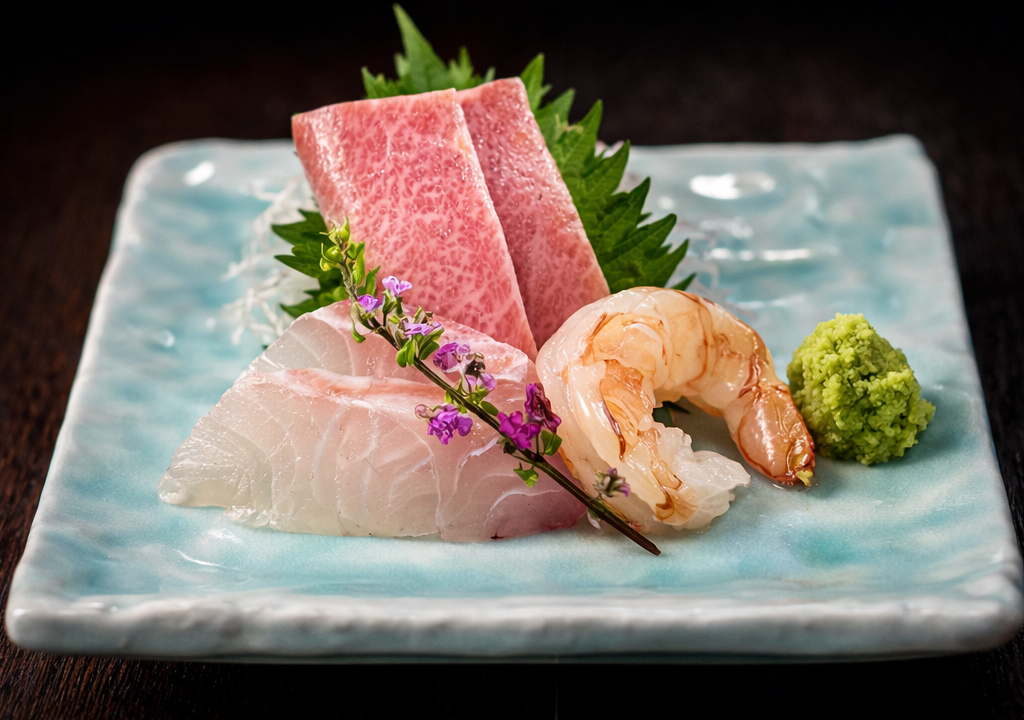
Nutritional Benefits of Sashimi
Besides being delicious, sashimi is also highly nutritious.
High in Protein
Most sashimi fish are excellent sources of lean protein, supporting muscle growth and overall health.
Rich in Omega-3 Fatty Acids
Fatty fish like salmon, tuna, and yellowtail contain omega-3 fatty acids, which are associated with heart health and brain function.
Packed with Vitamins and Minerals
Sashimi contains essential nutrients such as:
- Vitamin D
- Vitamin B12
- Selenium
- Iodine
- Iron
- Zinc
Low in Carbohydrates
Without rice, sashimi is naturally low in carbohydrates, making it suitable for various eating plans.
How to Eat Sashimi Properly
Following Japanese dining etiquette can enhance your experience.
1. Appreciate the Presentation
Japanese chefs carefully arrange sashimi to highlight colour, texture, and seasonality.
2. Use Soy Sauce Sparingly
Dip only a small portion of the fish into soy sauce to avoid overpowering its natural flavour.
3. Enjoy Wasabi in Moderation
Fresh wasabi complements the fish rather than masking its taste.
4. Eat from Light to Rich
Start with delicate white fish before progressing to richer selections such as salmon, yellowtail, and fatty tuna.
5. Cleanse Your Palate
Use pickled ginger between different varieties instead of placing it directly on the sashimi.
How to Identify High-Quality Sashimi
Premium sashimi should have:
- Bright, natural colour
- Glossy appearance
- Firm texture
- Fresh ocean aroma
- No excessive liquid
- Smooth knife cuts
Experienced Japanese chefs source only premium-quality seafood suitable for raw consumption.
Why Omakase Is the Best Way to Experience Sashimi
An omakase experience allows diners to enjoy sashimi at its seasonal best. Rather than ordering individual dishes, guests entrust the chef to create a thoughtfully curated selection based on the freshest ingredients available that day.
This approach offers several advantages:
- Access to seasonal seafood at its peak.
- A balanced progression of flavours, from light and delicate to rich and indulgent.
- Opportunities to discover premium fish that may not appear on the regular menu.
- Expert preparation and presentation that highlight each ingredient’s natural qualities.
For those looking to deepen their appreciation of Japanese cuisine, omakase is one of the finest ways to experience the artistry of sashimi.
Experience Premium Sashimi at Shinzo Japanese Cuisine
At Shinzo Japanese Cuisine, every sashimi platter reflects our dedication to authenticity, freshness, and craftsmanship. Our chefs carefully select premium seafood from trusted suppliers to ensure every slice delivers exceptional flavour, texture, and quality.
Whether you prefer buttery otoro, delicate hirame, sweet scallops, or a chef-curated omakase experience, each dish is prepared with precision and respect for traditional Japanese techniques.
If you’re ready to explore the true artistry of sashimi, we invite you to visit Shinzo Japanese Cuisine and savour an unforgettable Japanese dining experience where every slice tells a story of freshness, craftsmanship, and passion.

Leave a Reply